
You have come to Burgas for Eurovision. Between the shows, concerts and everything else happening during Eurovision week, however, you may find yourself with a free morning, a couple of hours in the afternoon or perhaps half a day to explore some of the best things to see and do in Burgas.
The good news is that you do not need a full sightseeing day to discover Burgas. The city centre is compact and easy to explore on foot, while some of the most interesting natural and historical places around Burgas are surprisingly close. You can walk from the main pedestrian streets to the Black Sea, watch birds in internationally important wetlands, discover more than 2,000 years of history or, if the sailing schedule allows, escape to a tiny island in Burgas Bay.
Here is our pick of the best things to see and do in Burgas, depending on how much free time you have.
JUMP TO
At a Glance · Walk Through the Centre · Burgas Museum · Atanasovsko Lake · Poda · Aquae Calidae · St Anastasia Island · What Should You Choose · FAQ
Burgas Highlights at a Glance
| Option | Time Needed | Best For |
|---|---|---|
| Walk Through the Centre | 1½–2 hours | First-time visitors, easy walking, sea views |
| Burgas Museum | 1–2 hours | History lovers, rainy days |
| Atanasovsko Lake | 2–3 hours | Landscapes, independent explorers |
| Poda | 2–3 hours | Birdwatching, nature lovers |
| Aquae Calidae | 2–3 hours | Ancient history without a full-day trip |
| St Anastasia Island | Half a day | Longer breaks, when boats are running |
Only Have 1–2 Hours? Quick Things to See and Do in Burgas
If this is your first visit and you have only a couple of hours, don’t try to see everything. Burgas is a city best experienced on foot.
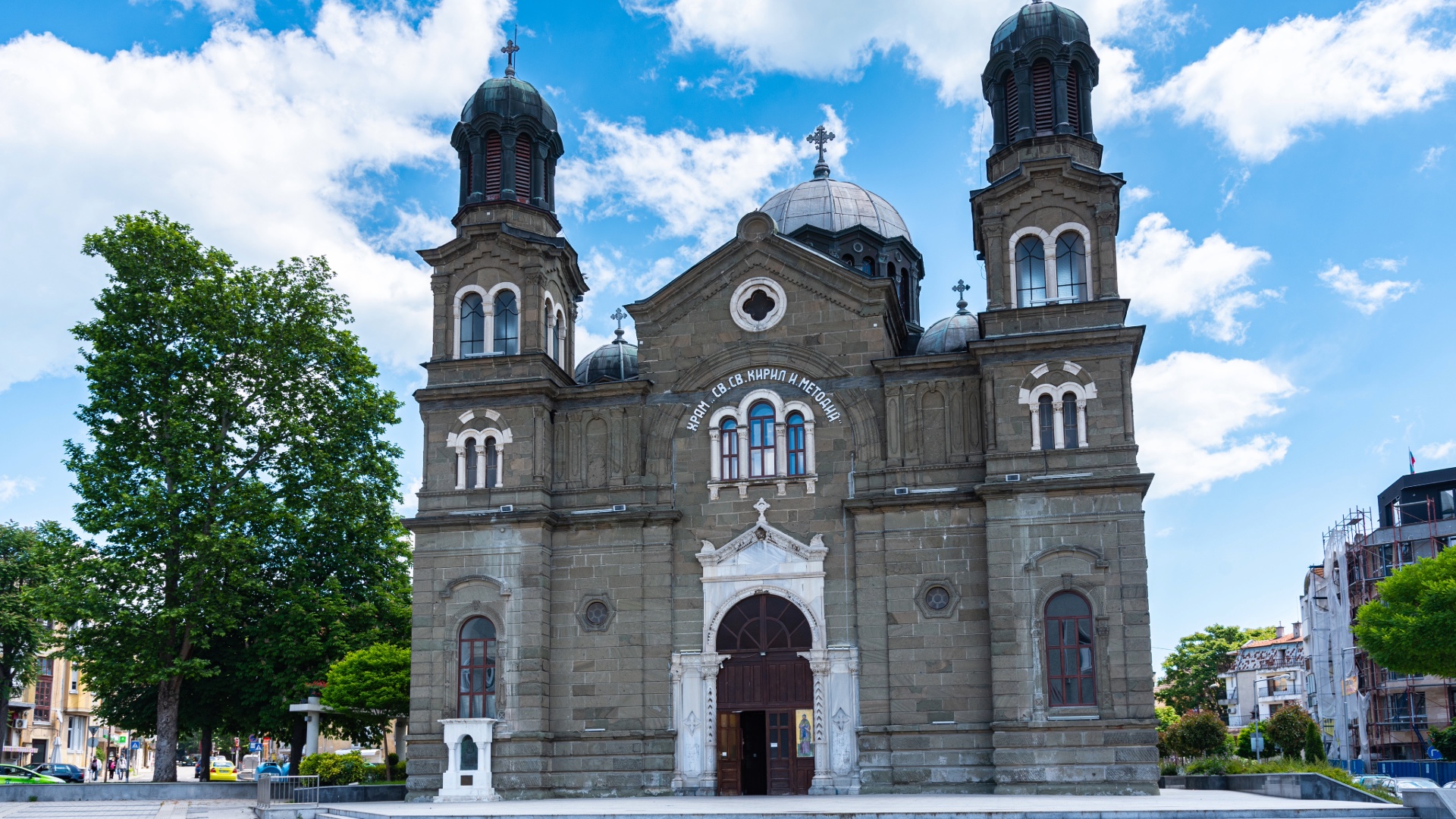
Start around Sts Cyril and Methodius Cathedral, one of the city’s landmarks. Built between 1897 and 1907, the cathedral stands just a few minutes from Burgas’s pedestrian centre.
From here, wander through the centre towards Alexandrovska Street and Bogoridi Boulevard. These pedestrian streets form the social heart of Burgas, lined with cafés, shops and restaurants and leading naturally towards the sea.
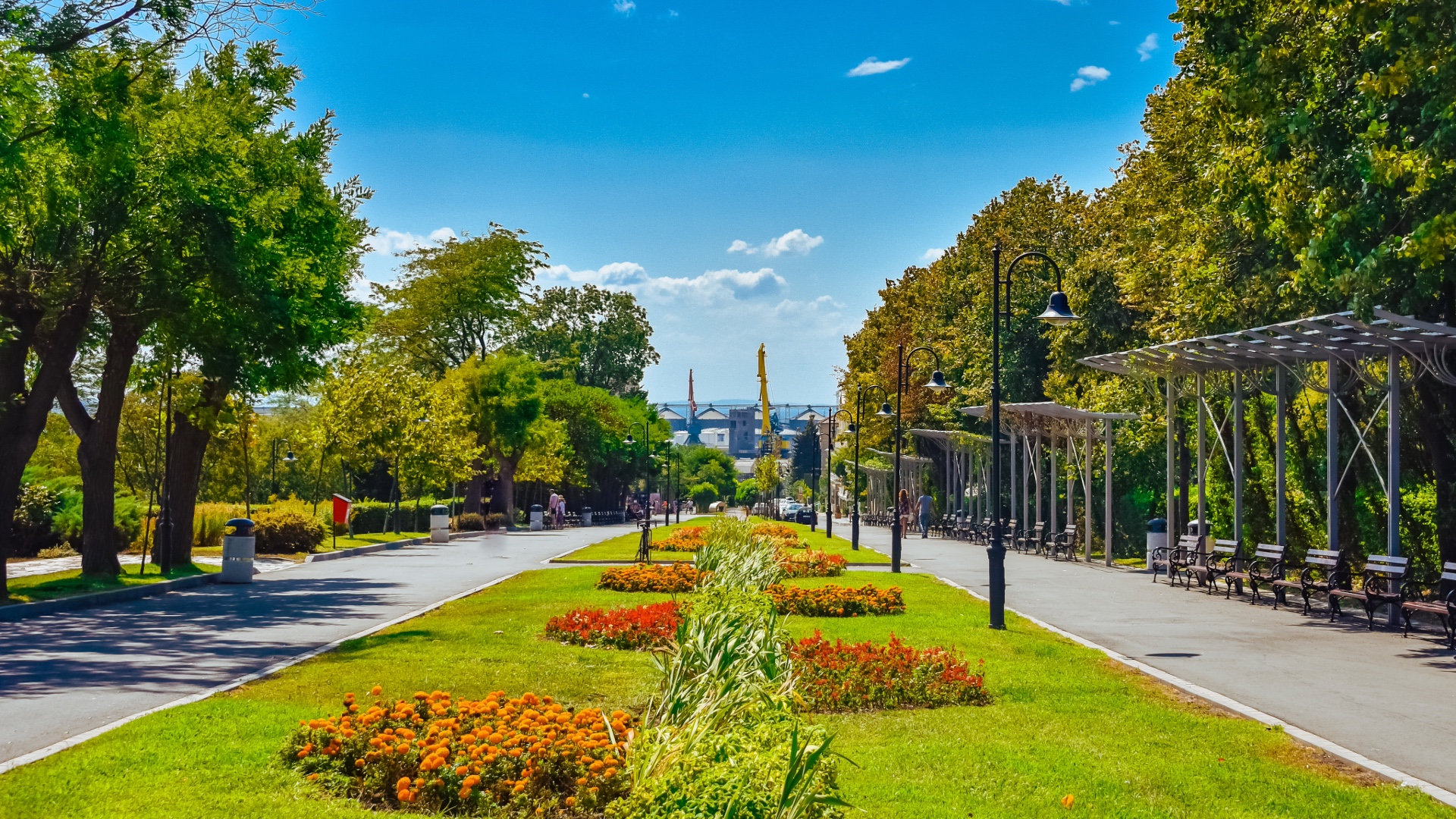
Continue into the Sea Garden (Morska Gradina). Stretching along the coast, this is much more than a city park. It is where people in Burgas walk, meet friends, exercise, take their children and simply spend time by the sea.
Make your way past the Sea Casino Cultural Centre and down towards Central Beach and the Pier.
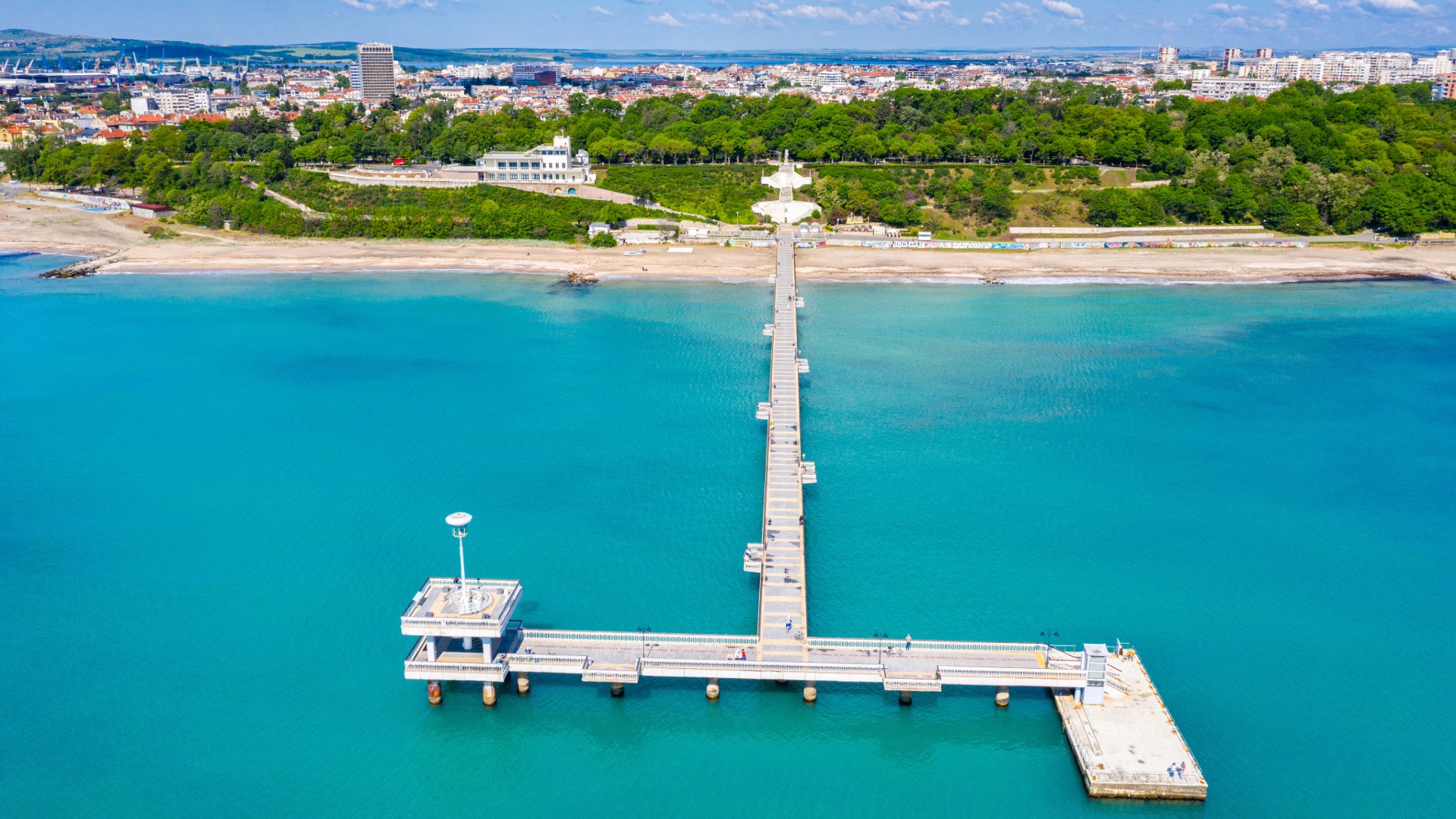
The Pier stretches almost 300 metres into the Black Sea and is one of the symbols of Burgas. On a clear day, look out across Burgas Bay – you may even spot St Anastasia Island in the distance.
If you have only enough time for one thing in Burgas, this is the walk we would choose.
Allow: around 1½–2 hours at an easy pace.
Have Another Hour? More Things to See and Do in Burgas: a Museum
If you enjoy history – or Eurovision week happens to give us a rainy morning – Burgas has another advantage: several of its museums are concentrated in the city centre.
The Regional Historical Museum Burgas consists of four separate exhibitions: Archaeological, Historical, Ethnographic and Natural History. You do not need to visit all four.
For a first visit, we would choose the Archaeological Museum on Bogoridi Boulevard. Its collections introduce the ancient cultures of Bulgaria’s southern Black Sea coast, including finds connected with ancient Thrace, the Greek colonies along the coast and the Roman period.
Because of its location, it is also very easy to combine with the walking route above rather than planning a separate museum excursion.
If archaeology isn’t your thing, simply choose whichever of the four collections interests you most.
Allow: around 1–2 hours.
Have 2–3 Hours? Discover Atanasovsko Lake
One of the things that makes Burgas unusual is how quickly the city gives way to remarkable wetland landscapes.
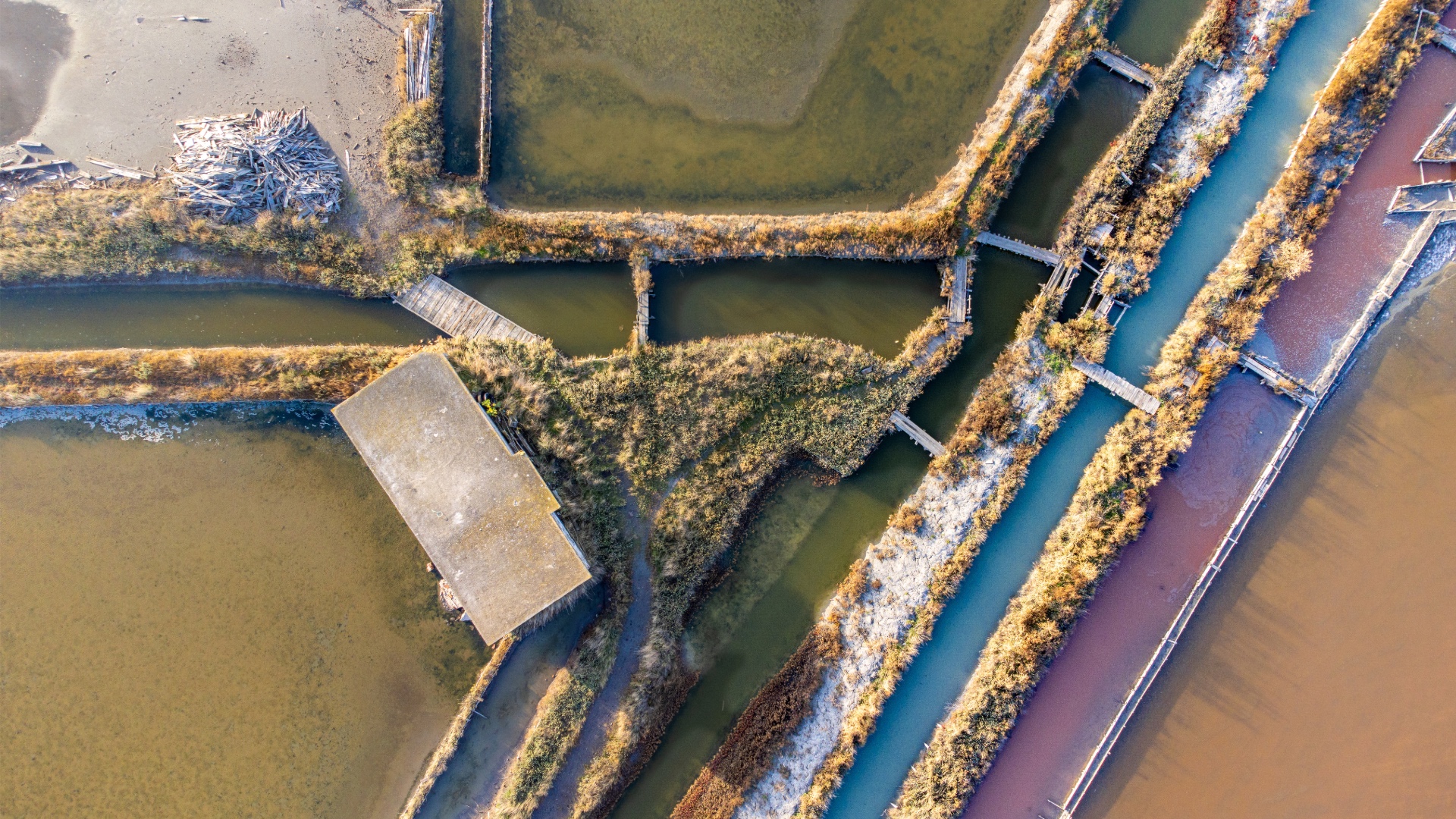
Immediately north of Burgas lies Atanasovsko Lake, a hypersaline coastal lagoon and one of the city’s most distinctive natural environments.
The lake sits directly on Via Pontica, one of Europe’s major bird migration routes. Pelicans, storks, birds of prey and many other species use the wetlands around Burgas, while traditional salt production has shaped both the landscape and people’s relationship with the lake for generations.
You don’t have to be a committed birdwatcher to appreciate it. The contrast between salt pans, shallow water, sky and the nearby city is an experience in itself – and a side of Burgas many short-stay visitors never discover.
Unlike Poda, however, Atanasovsko Lake should not be approached as a conventional visitor attraction with a visitor centre and fixed programme. It is a protected natural landscape, and how you explore it matters. If you are visiting independently, stick to appropriate public access areas and respect restrictions designed to protect the birds and their habitats.
What about the famous salt-water and lye baths?
If you have seen summer photographs of people floating in intensely salty water or covering themselves in dark, mineral-rich Black Sea lye beside Atanasovsko Lake, you may be wondering whether you can try it during Eurovision.
Unfortunately, May is too early for this seasonal experience. The salt-water and lye bathing area is associated with the warmer summer months and should not be part of your Eurovision plans.
It is nevertheless worth knowing about. Bathing in the salt water and using the mineral-rich lye is one of Burgas’s most unusual summer experiences – and a good reason to return at another time of year.
During Eurovision week, come instead for the landscape, salt pans and birdlife.
Allow: approximately 2–3 hours, depending on how you visit.
Love Birds? Things to See and Do in Burgas at Poda
South of the city is another wetland experience, but one quite different from Atanasovsko Lake.
Poda Protected Area is small – only around one square kilometre – yet an extraordinary 321 bird species have been recorded here. It lies on the Via Pontica migration route and is one of the most accessible places around Burgas for experiencing the region’s remarkable birdlife.
The Poda Nature Conservation Centre, operated by the Bulgarian Society for the Protection of Birds, has an observation terrace, binoculars and spotting scopes, a visitor trail and experts who can help you identify what you are seeing.
Poda is particularly rewarding because you don’t need to know anything about birds before you arrive. Spend an hour looking through a spotting scope with someone who knows the wetland and you may leave seeing the landscape very differently.
And May is a particularly interesting time to visit: this is not simply a summer attraction added for beach tourists. The Burgas wetlands are living ecosystems throughout the year.
If nature is more appealing to you than conventional sightseeing, Poda would be one of our strongest recommendations during Eurovision week.
Allow: around 2–3 hours including travel from central Burgas.
Prefer History? Things to See and Do in Burgas at Aquae Calidae
For something completely different, head inland to Aquae Calidae, in the Mineralni Bani area of Burgas.
People have been drawn to the hot mineral springs here for thousands of years.
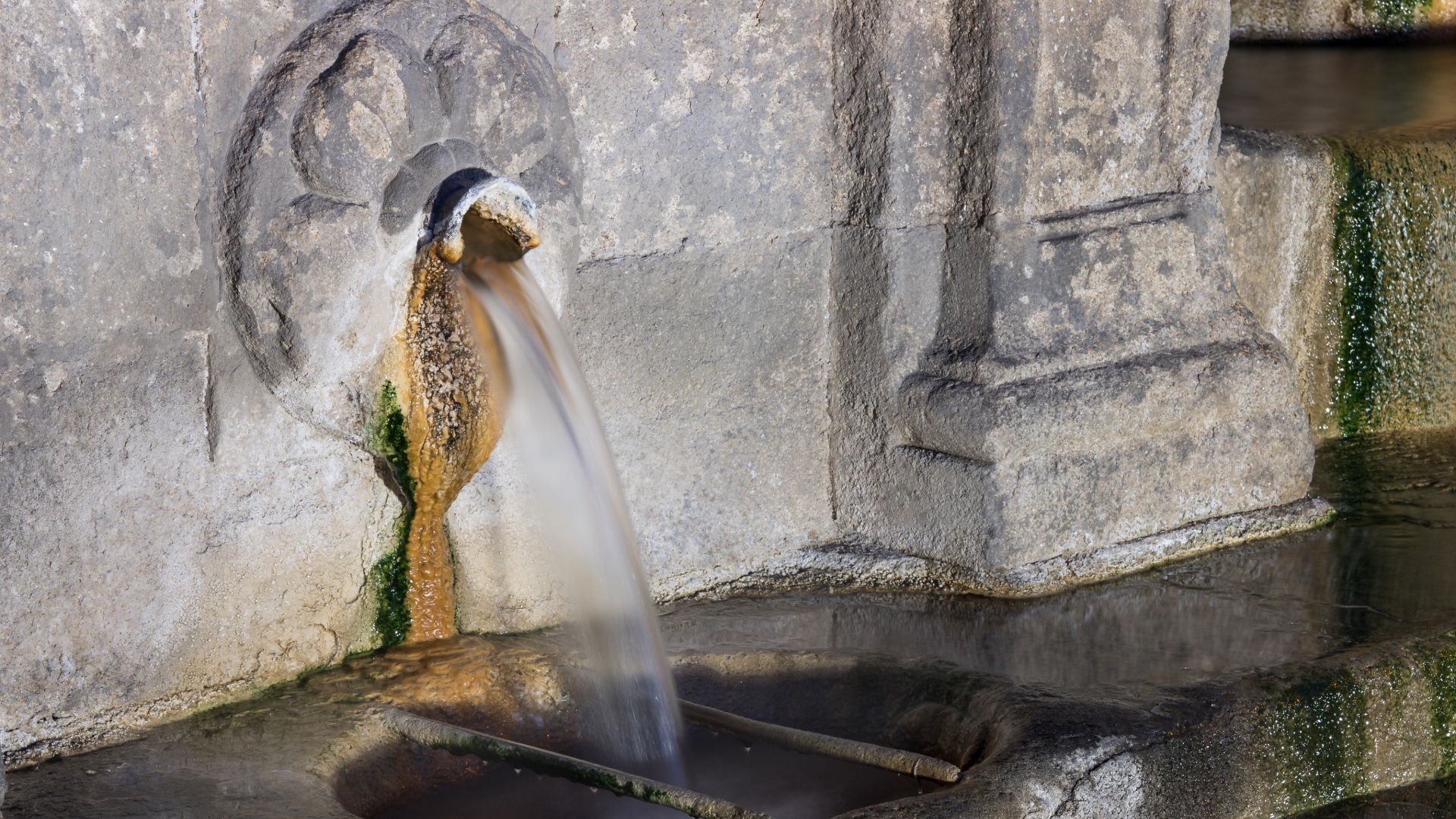
Today the archaeological complex brings together remains from different periods, including Roman baths dating from the 1st century AD, medieval structures and the restored Ottoman bath associated with Sultan Süleyman the Magnificent.
The restored bath now functions as a museum, while a 3D mapping presentation takes visitors through different periods in the history of the springs. Archaeological finds discovered at the site are also displayed in the museum complex.
Aquae Calidae is a particularly good choice if you are interested in history but don’t have enough time for a full-day excursion outside Burgas. It shows that the story of this part of the Black Sea coast began long before the development of the modern city.
Allow: around 2–3 hours including transport from central Burgas.
Have Half a Day? Escape to St Anastasia Island
If you have a longer break in your Eurovision schedule – and the boats are running – consider leaving the city behind for a few hours.
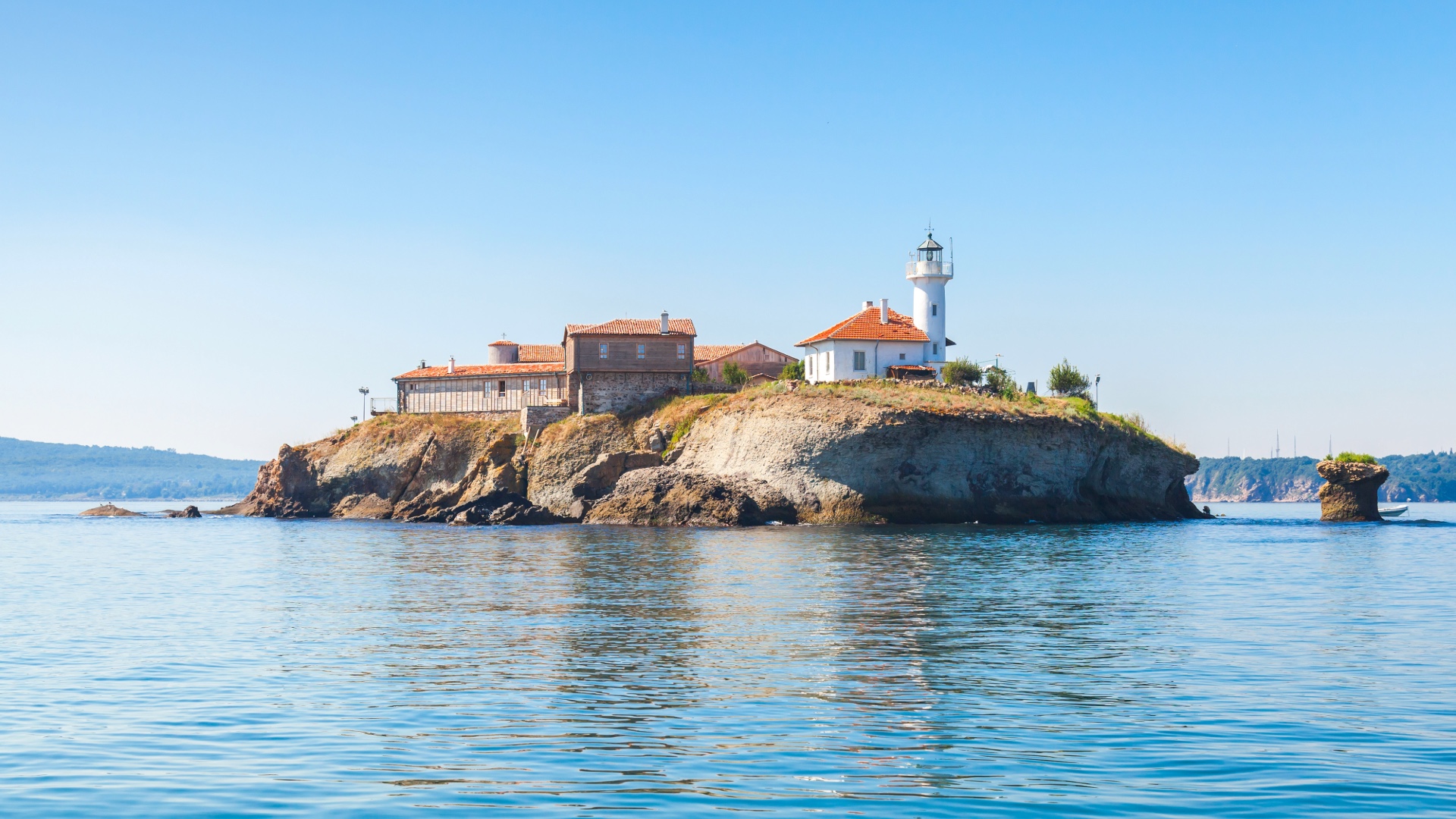
Just six kilometres off the coast lies St Anastasia Island, a tiny volcanic island in Burgas Bay with a remarkably colourful history.
It has been home to a monastery and, for a period, was used as a prison. Today you can explore the island, visit the small museum housed in the former monastery, see the church and simply enjoy being out in Burgas Bay.
Part of the pleasure is the journey itself. The boat ride changes your perspective on Burgas and provides a genuine little escape without committing an entire day to an excursion.
There is, however, one important Eurovision caveat.
Boat services are seasonal and weather-dependent. May sailings do take place on selected dates, but we will not assume that a regular Eurovision-week timetable will operate until the official 2027 schedule has been published.
If boats are running during your stay, St Anastasia is one of the most distinctive experiences you can have without leaving Burgas.
Allow: approximately half a day, depending on the sailing timetable.
So, Which Things to See and Do in Burgas Should You Choose?
First time in Burgas with only two hours? Take the walk through the centre, Bogoridi Boulevard and the Sea Garden to the Pier.
Love history? Add the Archaeological Museum or choose Aquae Calidae.
Prefer nature? Choose between Atanasovsko Lake and Poda. Atanasovsko gives you the extraordinary landscape of a hypersaline coastal lagoon shaped by salt production; Poda provides the more focused birdwatching experience, complete with a conservation centre and specialist equipment.
And if you have half a day and the boats are running, take the trip to St Anastasia Island.
There is no need to squeeze all of them into your Eurovision stay. Choose one or two experiences that fit naturally around your schedule and leave yourself enough time to enjoy them.
A Different Side of Eurovision’s Host City
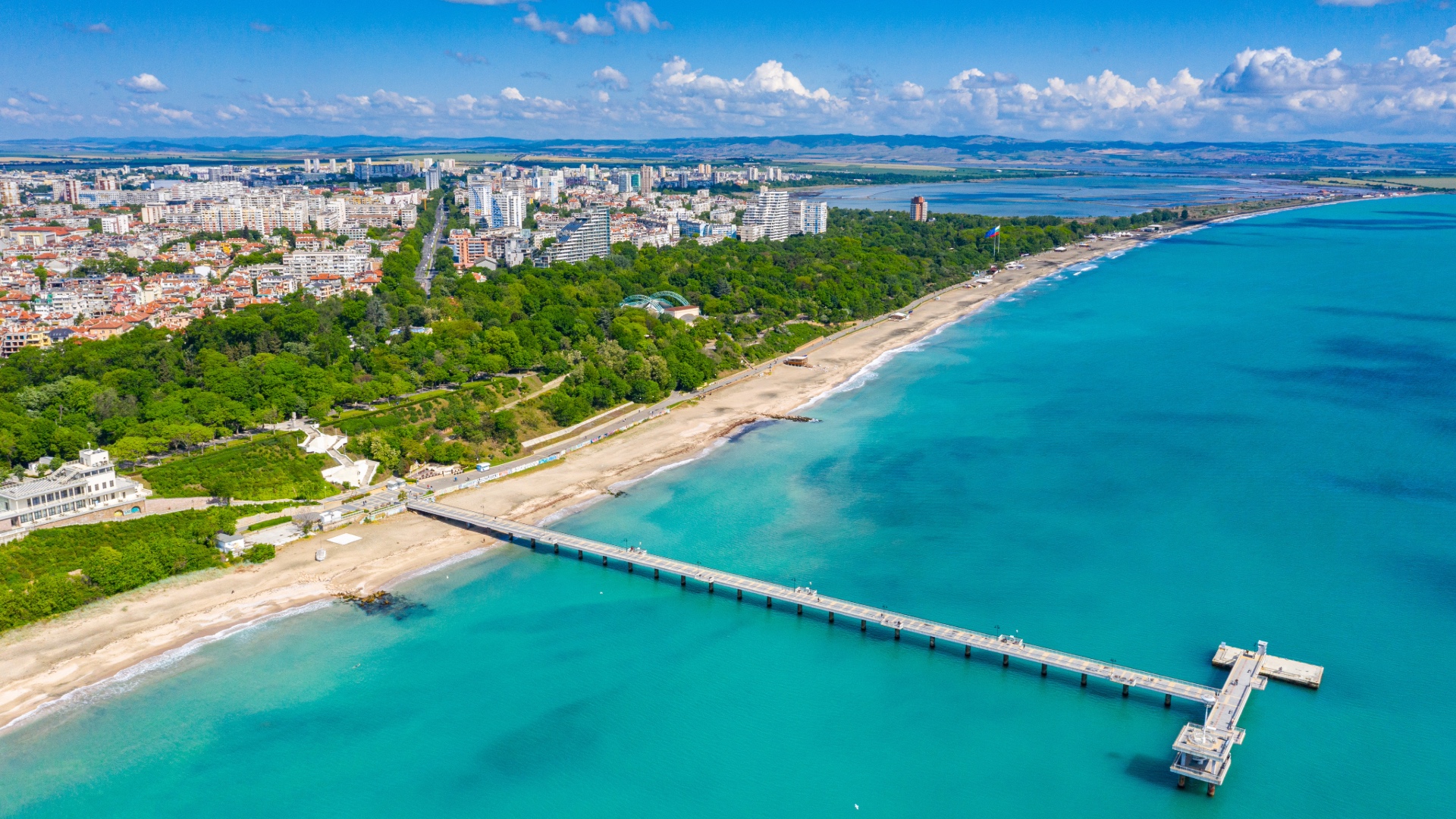
Burgas is sometimes treated simply as a gateway to Bulgaria’s southern Black Sea resorts. That misses many of the best things to see and do in Burgas itself.
The Black Sea is on its doorstep, but so are internationally important wetlands. The city is surrounded by three lakes and more than 250 bird species have been recorded in the wider Burgas environment. Roman baths survive within the modern city limits, while a former monastery waits on a small island just offshore.
And in between them is Burgas itself: compact, relaxed and closely connected to the sea.
During Eurovision week, you may not have time to explore everything.
Fortunately, you don’t need very much time to discover something worthwhile.
FAQ
Even 1–2 hours is enough to enjoy some of the best things to see and do in Burgas: the walk from the Cathedral through Bogoridi Boulevard and the Sea Garden to the Pier covers the compact city centre on foot. With more time, add a museum, Poda, Atanasovsko Lake, Aquae Calidae or St Anastasia Island depending on your interests.
Yes, but unlike Poda, Atanasovsko Lake has no visitor centre or fixed programme. It is a protected natural landscape, so stick to appropriate public access areas and respect restrictions designed to protect the birds and their habitats.
That depends on the boat schedule. May sailings do take place on selected dates, but a regular Eurovision-week timetable should not be assumed until the official 2027 schedule is published. We will update this guide once more is known.
No. The salt-water and lye bathing area near Atanasovsko Lake is a seasonal summer experience and is not available in May. During Eurovision week, visit the lake instead for its landscape, salt pans and birdlife.
No. Both are reachable from central Burgas by taxi or public transport, and each can be visited in a few hours without needing to rent a car.
Need Help Planning Your Eurovision 2027 Visit?
Planning your trip to Eurovision 2027 in Burgas? Our Eurovision 2027 Survival Guide brings together practical local information on accommodation, transport, getting around, food, day trips and the best things to see and do in Burgas. We will continue updating it as official information for Eurovision week becomes available.
 English
  German